
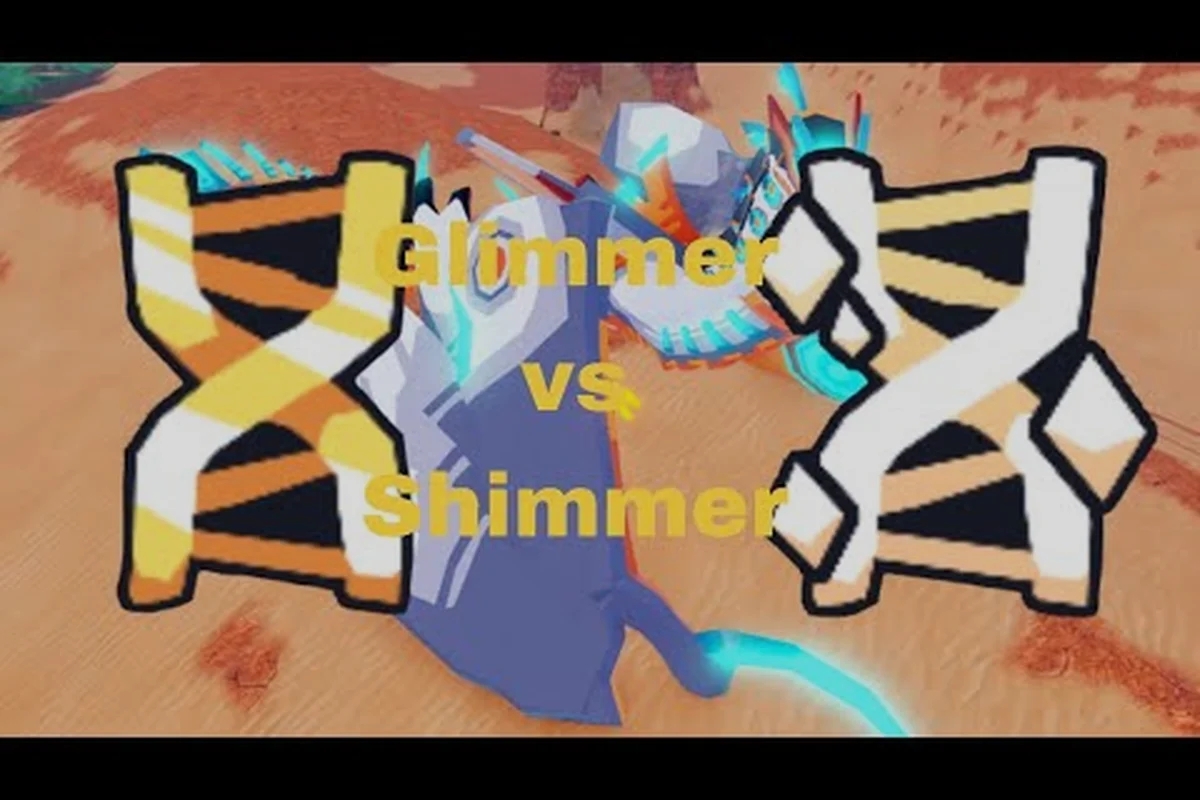
Shadow is one of the most chased cosmetic outcomes in Creatures of Sonaria, and players who want it usually hit a wall of mixed advice the moment they start asking around. The mutation is rare, the nesting rules are easy to misread, and the plushie economy around it shifts every event cycle. This guide lays out the most reliable Creatures of Sonaria how to get shadow mutation workflow, including the actual nesting chance range, the plushie pairings that consistently support a shadow roll, and how a double mutation stack fits into the picture so you can plan a breeding line that actually pays off.
Shadow Mutation Basics and What Affects the Roll
Shadow is classified as a visual mutation in Creatures of Sonaria, meaning it changes the creature's color palette and aura without altering base stats. Because the cosmetic layer is independent of the stat layer, your breeding strategy can focus purely on stacking the right inputs rather than worrying about stat inheritance first. That also means the mutation trading value is driven almost entirely by aesthetic demand rather than combat performance, which is why a clean shadow roll is so desirable on top-tier species.
The base chance for any single mutation roll during nesting sits around 30% per parent slot, which is the figure most veteran breeders cite based on their own tracking. Shadow itself narrows to roughly a 1% to 3% per slot chance when no boosting factor is applied, because the mutation has to clear a random check first and then a separate rarity check. Anything that improves your odds has to work on both layers, and that is where the rest of the pipeline earns its place.
| Factor | Effect on Shadow Chance | Notes |
|---|---|---|
| Base single-parent slot | ~1% to 3% | No boosts applied, reported by community data |
| Base double slot (both parents) | ~2% to 6% | Independent rolls, both must land shadow |
| Mutation plushie applied | +5% to +10% per parent | Plushie must match the target mutation |
| Event mutation boost active | +5% to +15% | Only during themed event windows |
| Stacked boosts (plushie + event) | Up to ~20% per slot | Cap varies by event tier |
Understanding those numbers matters because the most common mistake new players make is treating the mutation plushie combo as a guaranteed outcome. A plushie raises the chance, but it does not lock the result, and stacking a plushie on a low-tier species is still a long grind. You always want to combine the highest practical inputs: matching plushie, the right species, and an active boost window whenever one is running.
Nesting Mutation Chances and How Parents Influence the Result
The nesting mutation chance in Creatures of Sonaria is not a flat rate per egg. Each parent contributes its own slot roll, and the mutation outcome on the offspring is the combination of those two independent checks. That is why a double mutation guide approach is so much more reliable than a single-parent focus: two slots means two chances, and the math compounds even when each individual roll is small.
Parents also pass species-based rarity weight. A common species with shadow parents does not make shadow any more likely on the egg, but the egg is also worth far less if the roll lands. The sweet spot, according to community testing, is using at least one Tier 4 or higher species as the receiver parent, because that converts even a low-probability shadow into a creature that holds real mutation trading value. If you want to see how shadow offspring rank against other mutated species in the trading economy, the mutation trading demand breakdown walks through what drives those prices.
| Parent Tier | Shadow Roll Quality | Trade Value Impact |
|---|---|---|
| Tier 1 to Tier 3 | Low cosmetic ceiling | Minimal demand even with shadow |
| Tier 4 | Strong ceiling, popular base | Solid mid-tier demand |
| Tier 5 | Premium ceiling, scarce | Highest shadow creature value |
| Limited / Event species | Time-locked demand | Peak value during active window |
There is also a soft rule around nesting environment that experienced players mention. Some biomes reportedly nudge the mutation pool toward darker palettes, which is believed to slightly favor shadow outcomes, though community reports describe this as a marginal effect rather than a reliable boost. Treat biome selection as a tiebreaker, not a primary driver, and never sacrifice creature comfort for a rumored cosmetic edge.
Mutation Plushie Combo Setup for Shadow
The plushie system in Creatures of Sonaria lets you slot items that bias the next nesting roll toward a specific mutation. For shadow, you want a matching shadow mutation plushie applied to each parent that will participate in the breeding pair, because the boost applies per parent slot rather than per nest. This is the single biggest controllable input you have, and skipping it is the most common reason shadow attempts fail.
The mutation plushie combo that experienced breeders favor is straightforward: one plushie on each parent, both matching the target mutation, ideally with parents that already carry a complementary mutation so the egg has a chance at a double mutation outcome. Stacking an unrelated plushie on the second parent does not help your shadow odds and just wastes a slot that could carry another matching plushie for a friend or a future nest.
| Plushie Setup | Approximate Shadow Boost | Best Use Case |
|---|---|---|
| Single parent, matching plushie | +5% to +10% | Quick attempt on a budget |
| Both parents, matching plushies | +10% to +20% | Serious shadow farming line |
| Both parents, matching + event boost | Up to ~20% per slot | Peak window farming |
| Wrong plushie on either parent | ~0% boost | Wasted slot, replace before nesting |
A practical workflow that the community tends to recommend: prepare both parents with matching plushies, wait for an event window that includes a mutation boost, and run a batch of nests back-to-back so you can compare outcomes and recycle any non-shadow offspring into a follow-up line. The plushie economy itself fluctuates, and you can see how shadow slot pricing compares to other mutation slots on the female slot trading reference.
Double Mutation Stacking and Nested Creature Mutations
Once you understand the single-shadow path, the next layer is double mutation stacking, which is where the strongest trading value comes from. In Creatures of Sonaria, a double mutation means the offspring inherited two different visual mutations from the parent pair, and the chance of that happening is the product of the individual mutation chances, modified by any plushie boosts. Because shadow is already a low-roll mutation, the most realistic double-mutation targets pair shadow with a higher-frequency mutation rather than chasing two rare rolls at once.
Nested creature mutations refer to mutations inherited across multiple generations rather than appearing fresh each nest. A shadow mutation on a parent can pass down to offspring at a reduced rate, and stacking generations of partial carriers is a slower but more resource-efficient path than relying on a fresh roll every time. The trade-off is consistency versus peak ceiling, because a freshly rolled double mutation usually commands a higher price than a reliably inherited one.
| Double Mutation Target | Per-Slot Shadow Chance | Practical Strategy |
|---|---|---|
| Shadow + Glimmer | Lowest combined | High ceiling, low hit rate |
| Shadow + Albino | Moderate combined | Balanced demand, common pairing |
| Shadow + Erythristic | Moderate combined | Stable market, easier rolls |
| Shadow + Pearl | Lowest combined | Premium aesthetic, slow grind |
| Shadow + Elemental | Variable | Best during elemental event windows |
If you want a full comparison of how each mutation behaves on its own, the erythristic mutation guide breaks down the roll mechanics for a high-frequency mutation that pairs well with shadow attempts. The key insight is that double mutations do not require both rolls to land on the same egg in the same way; you can build toward one by ensuring at least one parent carries a complementary mutation already, which raises the effective chance above the raw product.
Shadow Creature Trading Value and Long-Term Planning
Once you have a shadow creature, the next question is what to do with it. The shadow creature value in Creatures of Sonaria depends on three factors: species tier, whether the shadow mutation is single or stacked with another mutation, and whether the species itself is currently in rotation. A Tier 5 single shadow will always beat a Tier 3 double shadow in trade value, because the ceiling of the species is the dominant signal for most traders. That is why investing plushies and event boosts into a low-tier species is almost always a long-term loss.
| Outcome Type | Approximate Trade Tier | Demand Window |
|---|---|---|
| Single shadow, Tier 4 | Mid-tier | Stable year-round |
| Single shadow, Tier 5 | High tier | Peaks during trading events |
| Double shadow, Tier 4 | High tier | Consistent collector demand |
| Double shadow, Tier 5 | Premium tier | Limited supply, strong floor |
| Shadow + limited species | Peak tier | Time-locked, event-driven only |
For players building a longer breeding line, the most efficient pattern is to anchor your shadow attempts around one or two Tier 5 species that you can source reliably, run plushie-boosted nests during active boost windows, and recycle every non-shadow offspring as the second parent in the next attempt. That recycling strategy is what separates casual shadow chasers from players who actually build a shadow population over time.
A useful sanity check before you commit resources is to compare your target species against the broader rare creature tier list to confirm the ceiling is worth the plushie and event cost. If the species sits low on the tier list, the shadow outcome will not move the needle on trade value, and you are better off rerolling into a higher-ceiling base.
Frequently Asked Questions
What is the fastest way to get a shadow mutation in Creatures of Sonaria?
Stack a matching shadow mutation plushie on both parents, breed during an active event mutation boost window, and use a Tier 4 or higher species as the receiver. This combination typically gives you the highest practical chance per nest and avoids wasting rolls on low-ceiling species.
Can you get shadow and another mutation on the same creature?
Yes, this is the double mutation outcome. It happens when both parent slots roll different mutations on the same egg, and it is the highest-value result. The realistic targets are shadow paired with a higher-frequency mutation like albino or erythristic, because two rare rolls on one egg are very unlikely.
Do mutation plushies stack with event boosts?
Yes, the boosts are additive within the cap. A matching plushie plus an active event window can push your per-slot shadow chance up to around 20%, depending on the event tier. Always confirm the event is a mutation boost event before committing resources, because not every event affects the mutation pool.
Is a shadow creature worth trading away?
It depends on the species tier and whether the shadow is single or stacked. A Tier 5 single shadow holds strong long-term value, and a double shadow on a Tier 5 base is usually a peak-tier trade. For reference on how token and plushie values interact with mutation trades, the max growth token value overview covers the broader economy you are trading into.
How long does a typical shadow farming line take to pay off?
For most players using a plushie-boosted, Tier 4 plus species strategy, expect anywhere from 15 to 40 nests before a clean shadow rolls, with double mutations taking longer. Event windows can cut that window significantly, which is why timing your attempts around active boosts is the single most effective lever you control.