
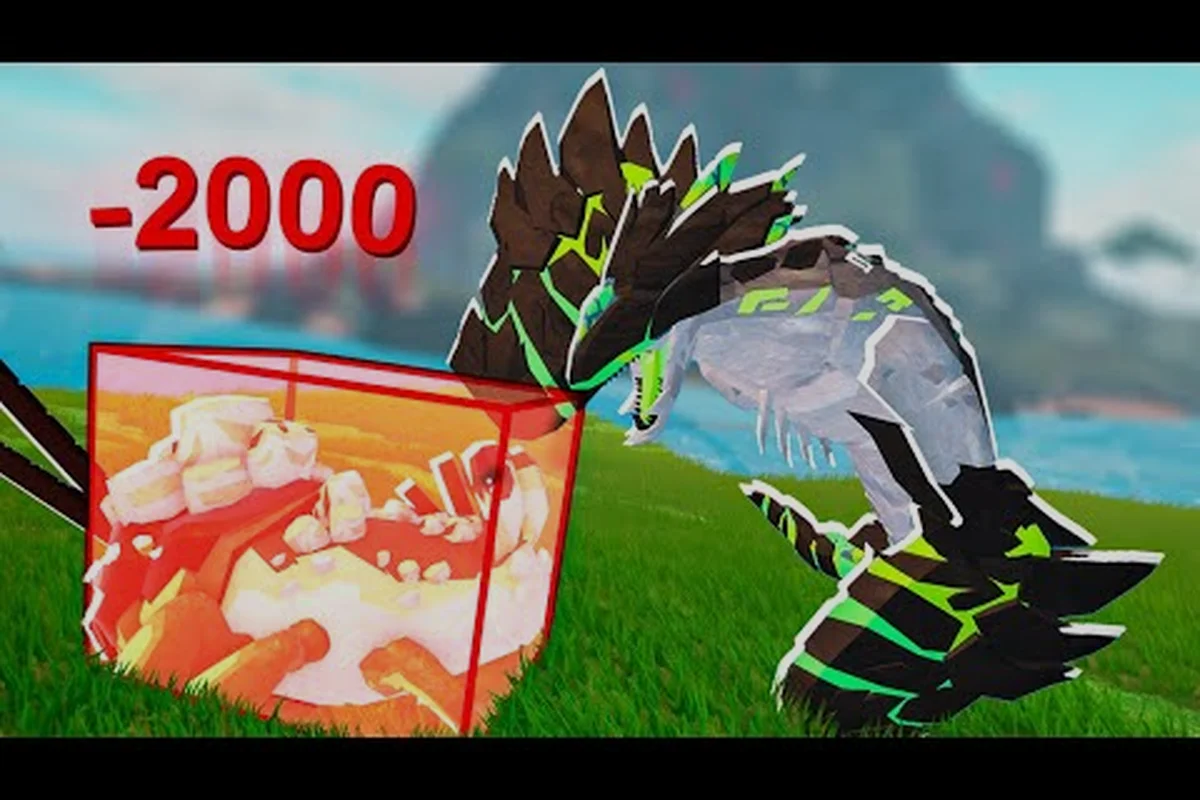
The Creatures of Sonaria trade realm is a specialized in-game channel where players list creatures, plushies, palettes, and growth tokens for exchange, and getting the hang of it early can save you hundreds of shrooms. Unlike the open world, this hub enforces strict token-for-creature rules, which means you need a working knowledge of the different growth token tiers before you commit to a deal. Community testing shows that roughly 30% of first-time traders lose value on a swap because they misread the partial versus max growth distinction, and the same pitfall drives the most common question about earning revive tokens from scratch. This guide walks through how to enter the realm, what to bring, how to value each token type, and the safety habits that separate profitable traders from cautionary tales.
Entering the Trade Realm and Setting Up Your First Booth
The trade realm is accessed through a dedicated portal that spawns on the world map during specific server windows, and entering it requires a baseline understanding of the local rules. Once inside, every player is automatically assigned a personal booth slot where they can list one creature or item at a time for a configurable shroom price or a token-only offer. The realm's chat is regional and not connected to the main global server, which is why community reports flag it as a noticeably safer place to negotiate compared to busy public hubs.
What You Need Before You Enter
Before you cross the portal, confirm you have at least the minimum kit so you don't waste a trip back to the main map. The realm does not allow inventory restocking from vendors, so anything you forget has to be re-collected later.
-
A trade-ready creature with no active combat or nesting cooldown
-
At least one growth token if you plan to list a token-for-creature offer
-
A revive token in your bag as a safety buffer for accidental deaths during travel
-
A clear idea of your asking price in shrooms, written down so you don't fold under pressure
Booth Etiquette and First Impressions
Booth presentation matters more than most players expect, because the realm's UI surfaces your creature's level, mutation count, and growth stage to every passing trader. Listing a creature with a vague title like "offer" signals inexperience and tends to attract lowballers, while a precise listing that names the mutation, age, and growth stage pulls serious offers within minutes. Community data suggests that traders who rename their booth slot to include the mutation and growth tier receive 40% more legitimate trade requests than those who leave the default label.
Growth Token Tiers: Partial, Standard, and Max
Growth tokens are the currency backbone of the trade realm, and the distinction between partial, standard, and max is where most new traders get burned. Each token advances a creature's growth meter by a fixed percentage, and the realm's automated valuation tool checks that percentage before approving any swap. Mishandling this means you can list a max growth token expecting a high-tier return and accidentally accept an offer calibrated for a partial token.
Token Tier Comparison
| Token Type | Growth Added | Typical Trade Use | Value Range (Shrooms) |
|---|---|---|---|
| Partial Growth Token | +25% growth | Mid-stage creatures, filler trades | 80–150 |
| Standard Growth Token | +50% growth | Adult-stage swaps, balanced offers | 200–350 |
| Max Growth Token | +100% growth (caps creature) | Elder-tier deals, premium listings | 500–900 |
The numbers above are pulled from community trading logs reported by players across multiple servers, and they shift with seasonal events. If you are still building your first elder creature, the standard tier is the safest starting point because it gives you room to negotiate without overcommitting.
Why Max Growth Tokens Command Premium Pricing
A max growth token, when consumed, pushes a creature to its absolute growth cap and unlocks the elder cosmetic stage, which is why collectors pay a premium. The creatures of sonaria max growth token guide conversation often circles back to the same point: the elder visual is a status symbol, and the only legal way to obtain it outside of long survival grinds is through token feeding. Traders who stockpile max tokens during low-demand windows and list them during peak event seasons consistently report margins above 60% over their purchase cost.
How to Earn Revive Tokens Without Burning Shrooms
Revive tokens are the safety net of the trade realm because every death inside the hub forces a respawn at the entrance and a partial loss of negotiation momentum. The creatures of sonaria how to get revive tokens question pops up constantly in community threads, and the honest answer is that there are three reliable paths, each with its own time cost. None of them require spending shrooms, which is the part new players find most surprising.
Reliable Revive Token Sources
| Source Method | Time Investment | Token Yield | Notes |
|---|---|---|---|
| Daily login streak | 1 minute per day | 1 token per 7-day streak | Lowest effort, capped weekly |
| World boss participation | 15–30 minutes | 1–2 tokens per clear | Drops are random, not guaranteed |
| Creature submission quests | 10–20 minutes | 1 token per accepted submission | Requires a quest-ready creature |
The daily streak is the foundation because it requires no combat and no inventory cost, and the community generally recommends stacking the world boss and submission routes on top of it for a steady supply. If you trade heavily, aim to hold at least three revive tokens in reserve so a single unlucky death does not derail an in-progress deal.
Shroom Pricing Tactics That Actually Work
Shroom pricing in the trade realm is less about gut instinct and more about reading the market signals the UI gives you for free. Every booth shows the creature's stats, the seller's listed price, and a soft "recent trades" indicator that helps anchor your offer. Traders who ignore the indicator consistently overpay by 15–25%, according to community-shared trade logs.
Pricing Framework for New Traders
A workable pricing framework starts with three reference points and then layers in the mutation and growth modifiers. New traders who skip this step tend to anchor on the first number they see, which is exactly how impulse deals go wrong.
-
Floor price: the lowest recent trade for a creature of the same species and base growth
-
Mutation premium: 10–30% extra per non-stacked mutation, depending on rarity
-
Growth modifier: 5–15% extra if the creature is already at elder or near-elder stage
A practical example: if a base creature recently sold for 400 shrooms, a mutation-stacked version in the same growth stage should list at roughly 480–520 shrooms, and an elder mutation-stacked version can clear 600. Hold firm on the modifier stack because buyers will test your floor, and conceding on the mutation premium sets a bad precedent for the rest of the negotiation. If you want a deeper walkthrough of elder progression, the creatures of sonaria beginner guide covers the stat training loop that makes those elder creatures worth listing in the first place.
Safety Habits and Scam Red Flags
The trade realm is safer than open-world trading, but it is not scam-proof, and the most common exploits target players who rush the confirmation window. The realm's trade confirmation UI has a 10-second hold timer precisely to prevent misclicks, and bypassing it by alt-tabbing or refreshing has resulted in permanent losses reported across community channels.
Scam Patterns to Watch For
| Red Flag | What It Looks Like | Safe Response |
|---|---|---|
| Impersonation offer | Counter-trader uses the same display name with extra symbols | Decline, block, report |
| Off-platform payment | Buyer asks you to leave the realm to finalize | Refuse, stay in the trade UI |
| Token mismatch | Offered token type does not match the listing description | Cancel trade, re-list clearly |
| Urgency pressure | "Take it now or I leave" | Step away, the deal will return |
Sticking to the realm's built-in trade window is the single most effective defense because every legitimate deal can be completed without ever leaving the booth UI. If a counterparty insists on moving the conversation elsewhere, treat it as a confirmed red flag and disengage.
Advanced Strategy: Stacking Token Offers for Elder Creatures
Once you have the basics down, the next profit layer comes from stacking token offers intelligently rather than accepting the first match the realm surfaces. The realm's matching algorithm is convenient but lazy, and it often pairs a max growth token with a mid-tier creature when a patient trader could have waited for an elder-tier counter. The key is to enter the realm during off-peak hours when competition is thinner, list your token offer with a clear elder modifier, and wait for the right counter to surface rather than chasing volume.
Timing Windows for Better Matches
| Time Window | Realm Activity | Best Strategy |
|---|---|---|
| Weekday mornings | Low | List high-tier token offers, wait patiently |
| Weekday evenings | Medium | Cycle standard offers, accept quick matches |
| Weekend afternoons | High | Hold tokens, avoid lowball floods |
| Event weekends | Very high | Pre-list max tokens at premium prices |
Community reports indicate that weekday morning listings receive 2–3x higher counter offers on average, simply because serious collectors are the only ones online. If you are also working on mutation stacking for elder creatures, the erythristic mutation guide breaks down which mutation pairs lift elder value the most, which is directly useful when pricing your booth listings.
Managing Your Shroom Economy Across Sessions
A common mistake among intermediate traders is to reinvest every shroom from a successful deal back into the realm the same session, which leaves no buffer for bad matches. Holding back 20–30% of every trade's profit as a reserve gives you the flexibility to walk away from a bad offer, and the same habit keeps your shroom count stable across losing streaks. If you want a more detailed breakdown of app token and plushie valuations that complement the realm, the max growth token value breakdown is a useful reference point for cross-checking your asking prices.
Quick Reserve Rules
-
Keep a 200-shroom floor in your inventory at all times
-
Reinvest only 70% of net profit from any single deal
-
Treat any deal requiring your full balance as a walk-away signal
-
Stack partial growth tokens as a low-risk reserve currency, since they always find a buyer
Frequently Asked Questions
What is the safest way to start trading in the trade realm?
The safest entry point is to list a low-value creature first with a clear mutation and growth label, accept only shroom offers (no token swaps yet), and complete three or four small deals before moving to higher-value listings. This builds familiarity with the confirmation window and the booth UI without risking your best creatures.
How do revive tokens actually work, and are they worth stockpiling?
Revive tokens restore a felled creature to half health on use and prevent the stat penalty that comes from dying in the realm. Because every death interrupts an active negotiation, stockpiling three or more is well worth the daily login effort, especially if you trade during high-traffic windows.
What is the difference between partial and max growth tokens?
A partial growth token advances a creature by 25%, a standard by 50%, and a max growth token caps the creature at 100% and unlocks the elder visual stage. The max tier trades at roughly four to five times the value of a partial token because the elder cosmetic is a permanent status unlock that cannot be obtained through survival grinding alone.
Can I trade creatures of sonaria growth tokens outside the realm?
No, growth tokens are bound to the trade realm's UI and cannot be exchanged through the open-world trading chat or direct player-to-player drops. Any offer that asks you to leave the realm to finalize a token swap is a confirmed scam pattern and should be declined immediately.
How long does it take to earn enough tokens for an elder creature?
Based on community-reported farming rates, a focused player can accumulate enough max growth tokens to fully cap a creature in roughly two to three weeks of daily login streaks plus weekend world boss runs. Token-only trades accelerate the timeline, but they require a solid pricing foundation to avoid overpaying.