
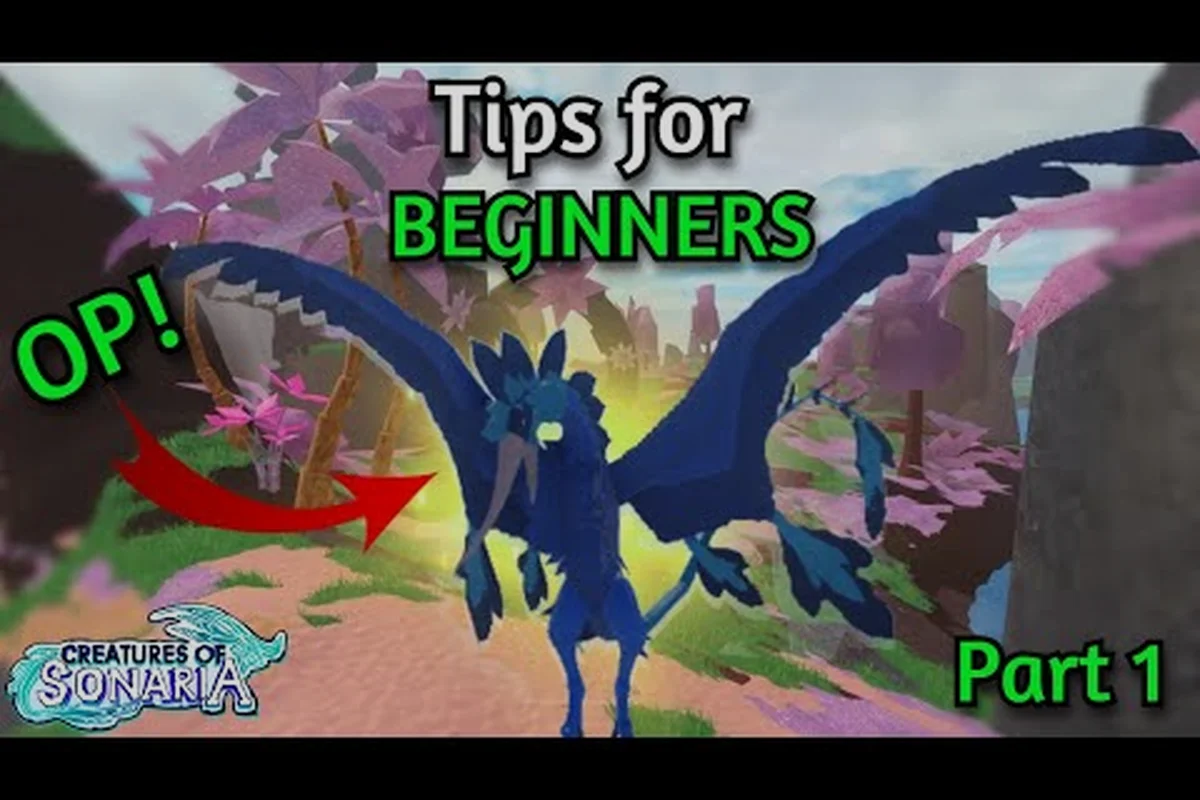
In Creatures of Sonaria, the right stat distribution decides whether your creature thrives in every biome or struggles to survive the first storm. A balanced build that pairs bite time with weight, health regen, and night vision lets you fight, eat, and explore without compromise. This stat building guide walks through each attribute, the breakpoints that matter, and the tradeoffs you accept when you push one stat too far.
Bite Time Mechanics & Attack Speed Factors
Creatures of Sonaria uses a layered stat system where each attribute feeds into a larger combat and survival loop. Bite time controls how long each feeding or attack animation locks your creature in place, which directly affects how exposed you are after every encounter. Weight determines your knockback resistance and your position on the size hierarchy, so heavier builds shrug off smaller predators while lighter builds outmaneuver them. Health regen decides how quickly your creature recovers between fights, and night vision dictates how far into dark biomes you can travel without the blindness debuff kicking in.
How Stats Interact With Creature Growth
Every creature starts in the juvenile growth stage and slowly progresses through sub-adult and elder phases. According to community testing, the bite time window widens slightly as your creature grows, but the relative danger of being locked into an animation stays roughly the same because predators also scale. Weight, on the other hand, is multiplicative with size class, so a small creature stacking weight can rival a mid-tier creature in knockback resistance, but it will still lose the size-based grab check. The interplay between growth stage and raw stat points is why elder creatures with mid-tier stat distributions often outperform juvenile creatures with "perfect" allocations.
| Stat | Primary Effect | Secondary Effect | Key Threshold |
|---|---|---|---|
| Bite Time | Locks animation during feeding/attack | Increases vulnerability window | Shorter = safer |
| Weight | Knockback resistance | Size-class grab contest | Higher = tankier |
| Health Regen | HP recovered per tick | Out-of-combat sustain | Higher = longer chases |
| Night Vision | Vision radius in dark biomes | Detection of hidden players | Higher = more map control |
Bite Time Optimization
A fast bite time is the single most underrated defensive stat in Creatures of Sonaria. Every feeding action locks your creature in place, and the longer you stay locked, the easier it is for a rival predator to interrupt you. Players who spec into bite time reduction report fewer lost meals and more successful contested kills, because they re-enter the movement state faster. The tradeoff is that very low bite time builds often sacrifice the bonus damage some creatures get from extended bite animations, so the optimization is not a free stat.
Bite Time Breakpoints by Creature Size
The breakpoints below are drawn from community reports and match the behavior observed in the official Creatures of Sonaria game page on Roblox. Smaller creatures benefit disproportionately from bite time reduction because their shorter recovery frames compound across every fight.
| Size Class | Optimal Bite Time | Safe Minimum | Risk Below Minimum |
|---|---|---|---|
| Small | 0.8s – 1.1s | 0.7s | Animation cancels, missed hits |
| Medium | 1.1s – 1.4s | 1.0s | Reduced bite damage bonus |
| Large | 1.4s – 1.7s | 1.3s | Slower turn rate recovery |
| Apex | 1.7s – 2.0s | 1.6s | Extended vulnerability to grabs |
If you are building a creature that relies on hit-and-run tactics, target the Safe Minimum column rather than the optimal range. Going below the safe minimum often causes animation glitches where the bite cancels mid-swing, which throws off your timing more than a slightly longer lock would. A solid stat training foundation covers how to push bite time down through repeated feeding cycles without starving your creature during the grind.
Weight and Knockback Resistance
Weight is the stat that decides whether your creature stays in a fight or gets shoved around by every passing predator. The relationship between weight and combat is not linear; a small bump at the low end dramatically improves your stability, while late-game weight gains offer diminishing returns. Players building a tanky creature should think of weight as a foundational stat, not a finishing one, because every point you place elsewhere benefits from the safety net of higher weight.
Creature Body Mass Categories
| Weight Tier | Knockback Resistance | Stamina Drain | Best For |
|---|---|---|---|
| Lightweight (0–25%) | Low – gets pushed by mid-tier | Low | Speedsters, scavengers |
| Balanced (25–50%) | Moderate | Moderate | Generalist builds |
| Heavy (50–75%) | High | High | Brawlers, defenders |
| Fortress (75–100%) | Near-immunity | Very high | Apex predators, nest guards |
For a deeper look at how weight fits into the broader creature hierarchy, the weight-focused tier ranking breaks down which species naturally fall into each tier. Stacking weight above 75% is only worth it if you have a reliable food source, because the stamina drain will keep you grounded between fights. Most community-tested builds cap weight in the Heavy tier and route the remaining points into bite time and health regen.
Health Regeneration Sustain
Health regen determines how quickly you recover from a lost fight, a bad grab, or a poison tick. A high regen build can re-enter a contested biome within minutes, while a low regen build often has to retreat to a safe water source and wait. The hidden mechanic here is that regen scales with your max health pool, so a creature with 1,200 HP and a 2% regen tick actually heals faster in raw HP than a creature with 800 HP and a 3% regen tick. This is why pairing regen with weight (which raises your effective HP through knockback resistance) is more efficient than pouring points into regen alone.
Regen Build Archetypes
| Archetype | Regen Allocation | Strengths | Weaknesses |
|---|---|---|---|
| Skirmisher | 30–40% | Fast recovery between duels | Weak in extended brawls |
| Brawler | 40–55% | Sustained combat presence | Lower mobility |
| Nest Guard | 55–70% | Near-constant recovery at home | Starves during long migrations |
| Migration Runner | 20–30% | Light investment, relies on water | Vulnerable in dry biomes |
A practical health regen approach is to test your base regen at the growth stage you spend the most time in. Juvenile creatures usually over-invest in regen because they lose fights often, while elder creatures benefit more from bite time and weight because they win fights and just need to stay safe. Players chasing artifact drops in the Warden Shrine event often run a 50% regen / 50% weight split so they can recover quickly after the sacrifice sequence.
Night Vision and Biome Coverage
Night vision is the stat that opens or closes half the map. Creatures of Sonaria has multiple dark biomes, and without enough night vision, your screen darkens to near-blackness long before you reach the resource nodes hidden in those areas. The blindness debuff also reduces your detection radius, which means ambush predators can close the distance before you see them. A solid night vision build lets you rotate freely between bright and dark biomes, which directly increases the number of safe food sources you can use.
Night Vision Tiers and Map Access
| Night Vision Tier | Vision Radius (Dark) | Biomes Accessible | Risk Level |
|---|---|---|---|
| Surface-Dweller (0–20%) | Very short | Bright biomes only | High after sunset |
| Twilight (20–45%) | Short | Twilight border biomes | Moderate |
| Nocturnal (45–70%) | Moderate | Most dark biomes | Low |
| Apex Stalker (70–100%) | Full radius | All biomes, all hours | Minimal |
A well-rounded creature should sit in the Nocturnal tier at minimum. This gives you access to the high-tier food sources that only spawn at night, without forcing you to dump your entire stat budget into vision. If you pair this with a moderate weight investment, you can contest those food sources against creatures that rely on raw night vision. For players who also want to manage hunger and thirst during long night rotations, the hunger management guide covers how to keep your sustain stats aligned with your exploration window.
Building a Balanced Stat Spread
A balanced spread is the difference between a creature that wins one fight and a creature that wins the whole biome. The goal is not to max every stat, but to allocate points so that no single stat becomes a hard weakness. Most successful community builds follow a 30/30/20/20 split pattern, with the exact stat receiving the heavier weight depending on the creature's role.
Sample Balanced Builds by Role
| Role | Bite Time | Weight | Health Regen | Night Vision | Playstyle |
|---|---|---|---|---|---|
| Generalist | 30% | 30% | 20% | 20% | Solo queue, mixed biomes |
| Apex Hunter | 25% | 35% | 25% | 15% | Boss fights, contested zones |
| Scavenger | 35% | 20% | 25% | 20% | Fast rotations, safe feeding |
| Night Stalker | 20% | 25% | 15% | 40% | Dark biome control, ambush |
When applying one of these spreads, remember that bite time reduction and weight are the two stats that compound the hardest with skill. A skilled player with a 30% bite time allocation will outperform an average player with a 45% allocation, because the experienced player already mitigates vulnerability through positioning. This is why stat guides should be read alongside practical play, not as a substitute for it.
Frequently Asked Questions
What is the most important stat for new Creatures of Sonaria players?
Bite time is the most important stat for new players because it controls how vulnerable you are after every feeding action. A shorter bite time means fewer interrupted meals, which directly accelerates your growth into the elder stage. Pair it with a moderate weight investment so you are not knocked around while learning combat spacing.
How does health regen scale with creature size?
Health regen scales as a percentage of your max HP, so larger creatures with bigger pools regenerate more raw HP per tick even at the same regen percentage. This is why elder-stage creatures often feel like they regen "for free" while juveniles need to invest heavily. A solid health regen plan factors in your expected growth stage, not just your current one.
Can night vision replace weight in a dark biome build?
No, night vision only affects your vision radius and detection range, not your ability to survive a hit. In a dark biome, you still need weight to avoid being knocked into a worse position by a predator you can now see coming. The two stats complement each other rather than substitute for one another.
Should I respec my stats if my creature outgrows its build?
Respeccing is rare and expensive in Creatures of Sonaria, so the smarter move is to plan a stat spread that scales through all growth stages. A 30/30/20/20 split generalist build remains viable from juvenile through elder, which avoids the need to respec entirely. If you must specialize, focus on bite time and weight because they stay useful at every stage.
How does bite time interact with grab attacks from larger creatures?
Bite time does not directly counter grabs, but a shorter bite time means you spend less time locked in a vulnerable animation, which reduces the window a larger creature has to land a grab. Weight is the stat that actually contests a grab attempt, so the safest build against apex predators combines reduced bite time with high weight and moderate night vision for escape routing.