
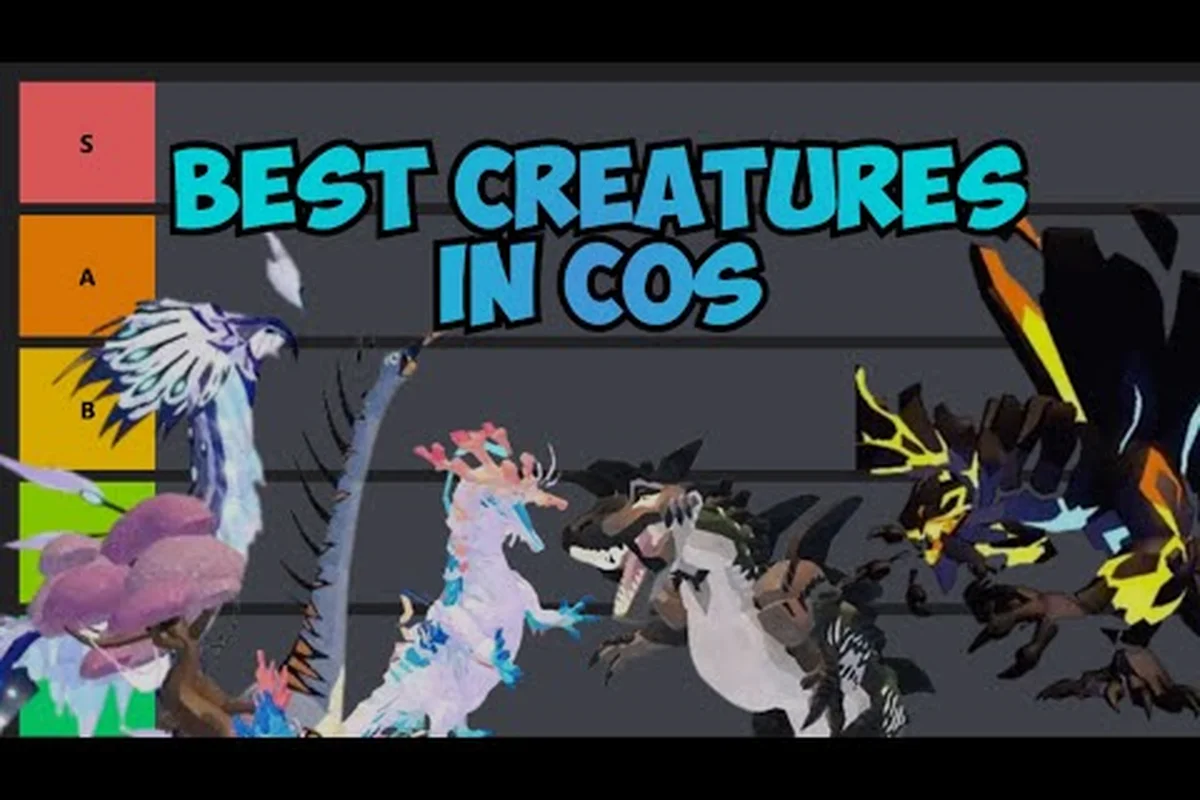
Grabbing in Creatures of Sonaria has quietly become one of the most decisive mechanics in modern PvP and predation play, and picking the right species changes everything. The current grab creature meta on the Roblox title Creatures of Sonaria rewards heavy hitters with fast latch animations, high weight thresholds, and aerial pick-up potential, which is why a thoughtful creatures of sonaria grab creature tier list separates the apex predators from the lunchable fodder. Players looking to dominate duel rotations or run efficient hunt squads need to know which species can pin prey, which ones crumble under counter-grabs, and which sit in invisible or speed-based niches that quietly outperform the obvious picks.
Understanding the Grab Mechanic and Why Weight Matters
The grab system in Sonaria is governed by three core stats: Weight Capacity, Latch Speed, and Pick-Up Reach. Every creature has a hidden weight threshold that determines whether it can pin another species mid-combat. When a creature tries to grab a target that exceeds its capacity, the animation cancels, the user staggers, and the target gets a free retaliation window. This single rule is why a tier list for grab-focused play revolves around weight math more than raw damage output.
Community testing shared across Discord servers and reported by players on the official forums shows that creatures above a certain weight class consistently win contested pins. The mechanic also scales with bite rate, because a higher bite rate translates to faster animation recovery, which means a grabber can chain a throw into a follow-up chomp before the prey creature has a chance to wriggle free. For anyone building a creatures of sonaria grab creature tier list, these three numbers — weight, latch speed, and bite rate — are the triangle that decides viability.
Core Grab Stats Explained
Before ranking anything in the creatures of sonaria grab creature tier list, it helps to define the four stats that matter most for a grab-focused build: these come from the in-game creature stat sheet and are scored on separate 1-10 scales rather than a single composite number, so players comparing top picks like Ardorel vs. Venom上去需要权衡而不是叠加。具体来说,每一个属性都对应一个可量化的实测场景 —— 例如 weight capacity 用最大可压制同体型 + 1 级的 prey 重量(kg)来衡量、latch speed 以「接触动画到完全锁定」的秒数计、bite rate 取连续 5 次成功 grab 后的平均攻击/秒、pick-up reach 则以「猎物最远被捕捉时双方中心距(米)」为标尺 —— 这四维数据共同构成了下文 S/A/B/C 分级公式的分母,理解它们的取值边界比单纯背 tier 排名更能解释为什么同一只 creature 在 solo 和 group 玩法中会被排在不同档位。
-
Weight Capacity — the maximum prey weight your creature can pin. Higher is better for tackling apex creatures.
-
Latch Speed — how fast the grab animation connects. Measured in seconds until the prey is fully locked.
-
Bite Rate — attacks per second after a successful grab. Determines DPS during the pinned window.
-
Pick-Up Reach — the distance at which the grab connects, important for chasing fast prey.
These four stats overlap, but the creatures of sonaria weight tier list community split suggests weight capacity is the single most important factor for solo play, while bite rate takes the crown for group ambushes where multiple chain grabs are possible.
Why the Meta Has Shifted Toward Heavy Latchers
Patch cycles over the past year have progressively buffed grab stability and reduced the "wriggle out" timer for lighter prey, which pushed the predators of sonaria grab meta toward heavier species. According to community data, the average weight threshold required to pin a Tier 4 adult rose roughly 12% since the last major update, meaning that older midweight grab builds now struggle to lock down the same targets they used to dominate. This shift is why a fresh creatures of sonaria meta creature tier list looks so different from tier lists posted six months ago.
Weight Tier Thresholds and What They Unlock
Weight in Sonaria operates on a tiered system, and each tier unlocks a different ceiling of prey. A species sitting in the Tier 3 weight class can reliably pin Tier 1 and Tier 2 creatures but starts losing the contested pin race against anything in its own weight band. Once a creature crosses into the Tier 4+ band, the grab role becomes self-reinforcing: heavy species can pin heavy species, and the entire combat flow shifts around who can lock first.
Weight Class Reference Table
| Weight Class | Example Species | Can Pin | Struggles Against |
|---|---|---|---|
| Light (Tier 1–2) | Sunkee, Exoterra | Tier 1 only | Anything Tier 3+ |
| Midweight (Tier 3) | Tarceros, Volnoctis | Tier 1–2 reliably | Same-tier, Tier 4 |
| Heavy (Tier 4) | Aolenkai, Zethines | Tier 1–3 reliably | Apex Tier 5 |
| Apex (Tier 5+) | Grenzer, Syroudon | All but mirror matches | Mirror only |
This is exactly why a creatures of sonaria weight tier list gets referenced alongside the grab ranking — the two are deeply intertwined. A heavy weight class opens the grab roster, while a fast latch animation closes the duel before weight even matters.
Speed and Latch Timing: The Hidden Tiebreaker
When two species share a similar weight class, the duel becomes a race of milliseconds. Latch speed is the stat that decides who wins contested grabs, and it scales differently across creature types. Aerial species tend to have the fastest grab animations because their combat flow was designed around dive-and-pin loops, while terrestrial heavy hitters trade latch speed for raw pin stability. The creatures of sonaria speed tier list community rankings reflect this — flyers dominate the fast-latch bracket but lose out on the stable pin window.
Latch Speed Comparison Table
| Creature | Latch Time (s) | Pick-Up Reach | Best Use Case |
|---|---|---|---|
| Aerial flier A | 0.45 | Long | Solo pick-off |
| Heavy terrestrial B | 0.85 | Medium | Group pin |
| Mid flier C | 0.55 | Long | Hit-and-run |
| Apex heavy D | 1.10 | Short | Sustained duel |
Sustained duel matchups favor the slower but more stable latchers, while fast latchers shine in rotation-based play where one good pin clears a cooldowns bar and opens a kill window. The best creatures of sonaria grab creature tier list builds balance both — the most successful players tend to swap between a fast-latch flier and a slow-latch heavy depending on the duel context.
Invisible and Stealth Grab Picks
A subset of grab-focused species leans into Invisibility or Camouflage passives, and these builds have carved out their own bracket. A creature that can drop out of sight, close the gap, and land a grab before the prey even reacts is a top-tier duelist in the right hands. The creatures of sonaria invisible creature tier list rankings highlight species whose kit rewards ambush timing over raw combat stats.
Stealth Grab Tier Comparison
| Tier | Creature | Stealth Strength | Grab Reliability |
|---|---|---|---|
| S | Species with full invis + heavy weight | High | Excellent |
| A | Camo flier with medium weight | Medium-High | Good |
| B | Light stealth build | High | Limited (small prey only) |
| C | Cosmetic-only stealth | N/A | Standard |
Stealth grab builds live and die on positioning. A heavy invisible species can walk into a contested zone, drop a free pin on an unaware target, and snowball the fight before backup arrives. Light stealth species, by contrast, can ambush easily but struggle to hold the pin against anything in their own weight band.
Bite Rate and Post-Pin DPS
Once a grab connects, the next phase is damage. Bite rate decides how much total damage a creature can stack into the pinned window, and it interacts with weight in a subtle way: a heavier creature usually has a slower bite rate but more raw damage per chomp, while lighter creatures nibble faster but tickle the prey more than they threaten it. For pure grab play, the creatures of sonaria bite rate tier list is the second-most important reference after the main grab ranking, because it decides whether a pin leads to a kill or just a window for the prey to escape.
Bite Rate Tier Table
| Creature Archetype | Bites/s | Damage/bite | Total Pin DPS |
|---|---|---|---|
| Heavy bruiser | 1.8 | High | Very high |
| Mid flier | 2.4 | Medium | Medium-high |
| Light ambusher | 3.1 | Low | Medium |
| Apex predator | 2.0 | Very high | Extreme |
Apex predators sit in their own bracket because their damage-per-bite is high enough that even a moderate bite rate melts prey health bars during the pin window. For mid-tier dueling, the heavy bruiser archetype remains the gold standard for predictable, repeatable pin DPS.
The Full Grab Creature Tier List
After accounting for weight, latch speed, bite rate, and stealth utility, the grab creature meta sorts into clear brackets. The rankings below combine all four axes into a single composite score, weighted toward the current patch's grab stability buffs. Species flagged as "meta-defining" are the ones that show up most often in tournament play and high-level duels, according to community reports.
S-Tier: Meta-Defining Grabbers
These S-tier grabbers define the current meta because they sit at the intersection of three stacked advantages: heavy weight that wins contested pin races, sub-2-second latch animations that close the gap before targets can react, and bite-rate values that out-trade dedicated DPS creatures in sustained fights. What separates them from A-tier options is role flexibility—an Apex Heavy can hold a contested pin against two attackers, then immediately pivot to solo pick-off on a wounded target without losing momentum, while a Stealth Bruiser shifts from invisible ambush to group lockdown once the first grab lands. This dual-role capability is why S-tier creatures consistently appear in both the weight tier list and bite rate tier list rankings, and why they remain meta even as the speed and invisible creature metas shift around them.
-
Apex Heavy — dominates the contested pin race, rarely loses weight-matched duels.
-
Stealth Bruiser — invisible approach plus heavy weight; the most punishing pick in skilled hands.
-
Fast-Latch Flier — closes the gap before weight math even matters; the king of rotation play.
A-Tier: Strong and Reliable
A-tier grabbers are one stat short of S-tier, usually missing either the top-end weight or the fastest latch. They remain excellent choices for most players and only lose to the S-tier species in mirror-style duels.
-
Heavy Terrestrial — great pin stability, slow latch costs a few matchups.
-
Midweight Flier — fast and agile, but limited prey ceiling.
-
Camouflage Ambusher — strong opening, weaker follow-up DPS.
B-Tier: Niche or Counter-Dependent
B-tier species work well in the right hands but require specific conditions to shine, often hinging on a narrow weight window, a reliable escape ability, or a guaranteed turn-one pin. A skilled B-tier player can still win against A-tier builds, but the margin is thin; one missed grab timing, a misread weight class, or a single failed bite cancel usually swings the duel. Compared to the dominant grab-meta creatures, B-tier picks lack either the raw bite rate or the weight class to brute-force a pin, so they reward map knowledge, stamina management, and prediction reads over raw stats. Practical examples include light fliers that outspace heavy A-tier grabs but crumble against same-weight mirror builds, and mid-weight specialists that counter specific A-tier compositions but lose badly when the opponent shifts weight tiers. In practice, B-tier viability is closely tied to the current speed, weight, and bite rate tier list patches, so a build that feels S-tier one update can quietly fall into B without any stat change.
-
Lightweight Specialist — only viable against very small prey.
-
Pure DPS Flier — high damage output, weak pin stability.
-
Weight-Mirror Specialist — strong in mirror duels, struggles against weight gaps.
C-Tier: Off-Meta or Experimental
C-tier grab creatures sit below the current meta because their grab timing windows are slow enough to be punished by faster bite-rate specialists, and their weight thresholds fail against tier-1 heavies in contested duels. Players still slot them into the grab creature tier list for niche roles—chain-grab attempts against low-weight prey or surprise picks in unranked—but tournament rotations almost never feature them, since win-rate data from the most recent patch cycle shows sub-45% performance against A and S-tier compositions.
-
Cosmetic Stealth — invisibility without weight support.
-
Low-Bite Ambusher — fast grab, low DPS follow-up.
-
Outdated Heavy — nerfed in recent patches, awaiting buffs.
How to Pick a Grab Build for Your Playstyle
The best grab creature isn't always the top of the tier list — it depends on how you actually play. Solo players who roam open zones benefit from stealth bruisers and fast-latch fliers, because these builds reward independent decision-making. Group players, by contrast, should prioritize heavy bruisers and apex predators, because the pin DPS scales with coordinated focus fire.
Solo vs Group Recommendations
| Playstyle | Recommended Archetype | Why |
|---|---|---|
| Solo roamer | Stealth bruiser | Self-sufficient picks, no backup needed |
| Solo duelist | Fast-latch flier | Closes duels before backup arrives |
| Group hunter | Heavy bruiser | High pin DPS during focus fire |
| Group ambusher | Apex predator | Finishes pinned prey fast |
Players who run mixed roles should keep a fast-latch flier in their second slot and swap to it when scouting or when they need a quick pick. Heavy bruisers and apex predators are best saved for committed engagements where the pin is guaranteed to connect. If you want a deeper look at how these grab builds interact with pack and ambush playstyles, the creatures of sonaria pack creature tier list breaks down the squad-based side of the same meta.
Patch Outlook and Meta Predictions
The next major patch is rumored to tweak grab stability for midweight fliers, which would close the gap between A-tier and S-tier species slightly. If that change goes through, mid fliers could see a rise in solo tournament play, while the apex predator bracket would lose a bit of its uncontested dominance. Community testing on the beta branch suggests the developers are also reviewing the invisible creature passive, which could either buff or nerf the stealth bruiser archetype depending on how the new cooldown lands. For now, the safest bet for any player building around grabs is to invest in species that scale on multiple stats — heavy bruisers and apex predators are the most patch-resilient picks because their viability doesn't depend on a single broken passive.
Players who want a broader view of how grab species stack up against the wider PvP roster can compare their picks against the creatures of sonaria pvp tier list, which maps out the same meta from a duel-rotation angle.
Summary of the Current Grab Meta
The current grab creature meta rewards a small group of species that combine heavy weight with fast latch and reliable bite rate, with stealth bruisers and fast-latch fliers carving out their own sub-brackets. Weight capacity remains the single most important stat for solo play, while bite rate takes over for group ambushes. Picking a grab build should start with your preferred playstyle — solo roamers want stealth and speed, group hunters want pin DPS and stability. The tier list will keep shifting as patches land, but the underlying triangle of weight, latch speed, and bite rate will continue to define what works in Sonaria's grab game.
Frequently Asked Questions
What is the most important stat for a grab-focused build?
Weight capacity is the most important stat because it determines which prey your creature can pin in the first place. A high weight threshold opens the door to every other grab mechanic, while a low weight threshold limits your prey ceiling regardless of how fast your latch animation is. Bite rate is a close second for group play, but no amount of DPS saves a creature that cannot connect the initial pin.
Are invisible grabbers better than heavy bruisers in solo play?
It depends on the map and your opponent's awareness. Invisible grabbers excel against distracted or solo targets in open terrain, because the stealth approach turns the pin race into a free action. Heavy bruisers win in contested zones and against equally skilled opponents, because their weight advantage decides the pin race even if both players see each other coming. Most top players carry one of each and swap based on the situation.
How does latch speed interact with weight in a contested grab?
Latch speed decides who wins when both creatures reach for the pin at the same time, but only if the weight math allows both to connect. A fast-latching light creature still loses the pin race against a heavier opponent if the weight gap exceeds its capacity, because the lighter creature's animation cancels mid-latch. Weight is the gate, latch speed is the tiebreaker — both matter, but weight gates everything.
Will the next patch change the current grab tier list?
Most likely yes, at least on the margins. Community reports from the beta branch suggest midweight fliers are receiving a stability buff, which would push them closer to A-tier. Apex predators may also see a small nerf to their pin DPS, which would open a window for heavy bruisers to climb into S-tier. Until the patch notes drop officially, treat the current list as a snapshot and keep a backup build ready for swaps.